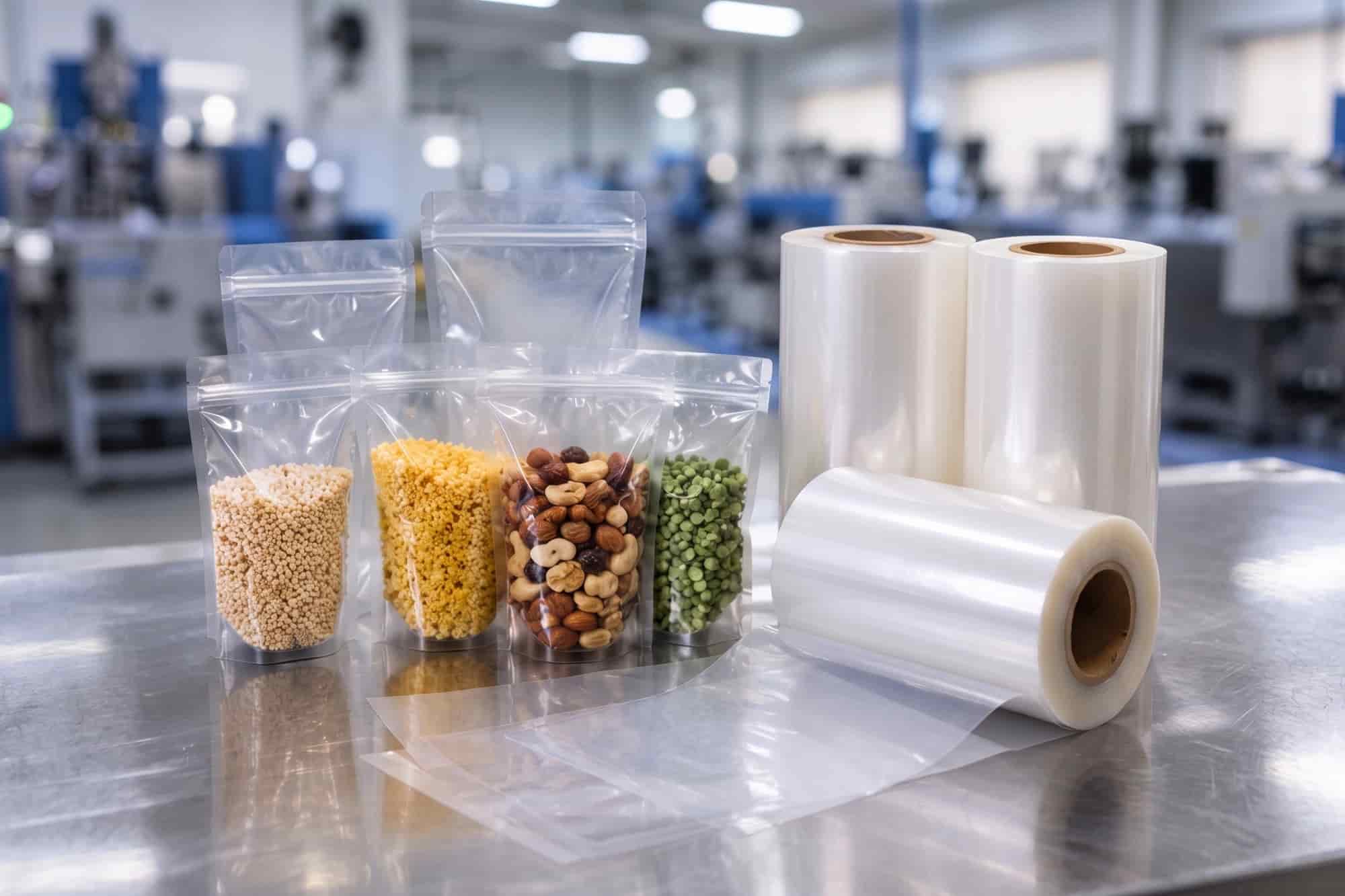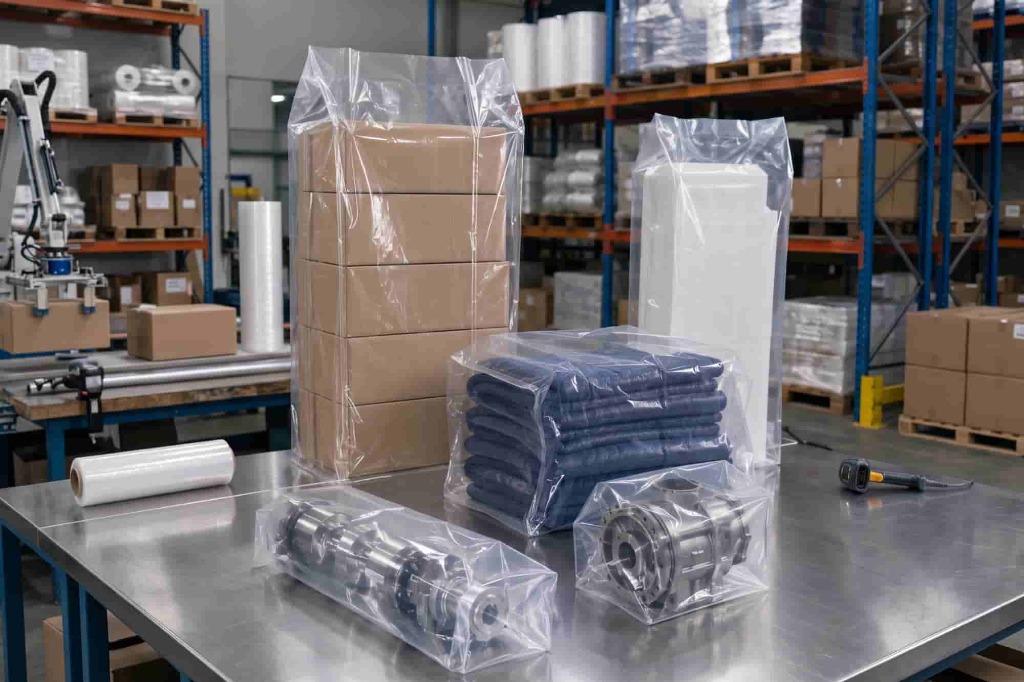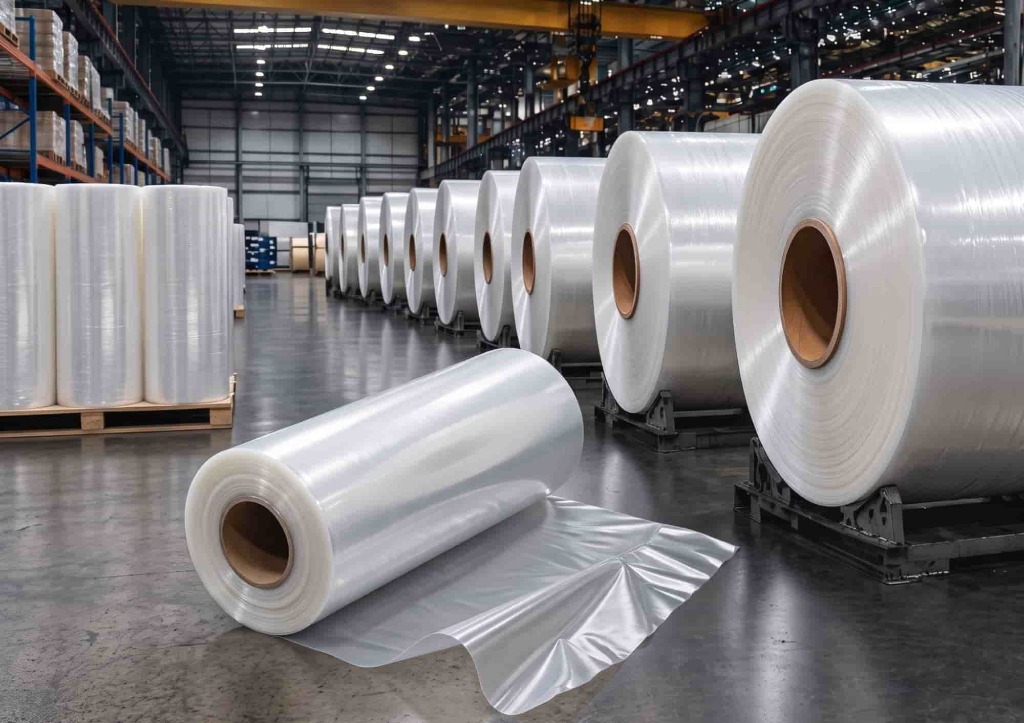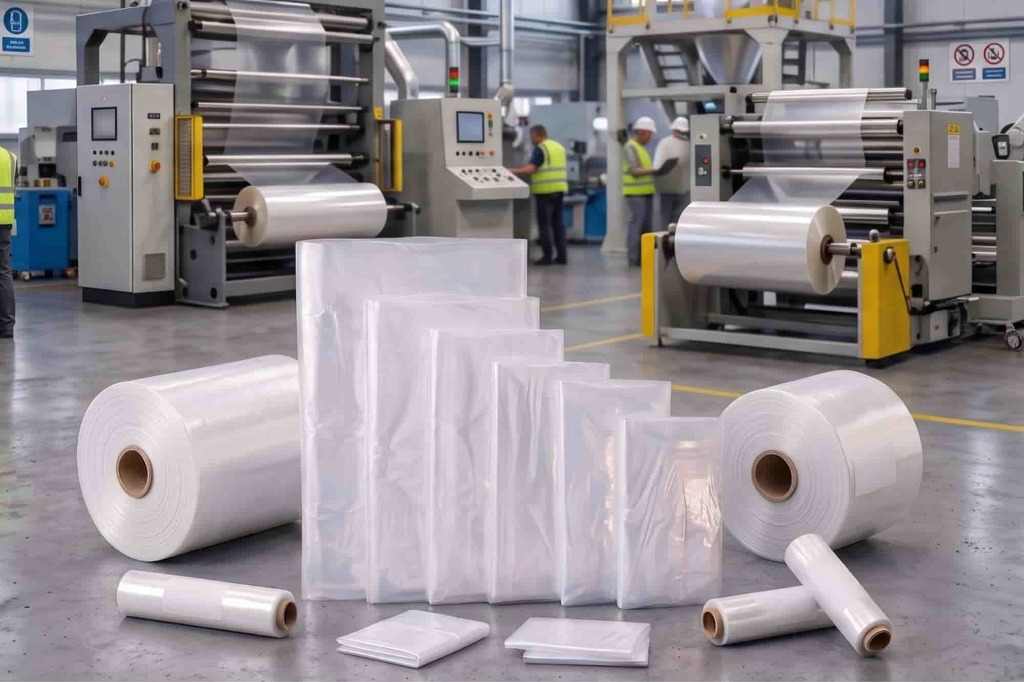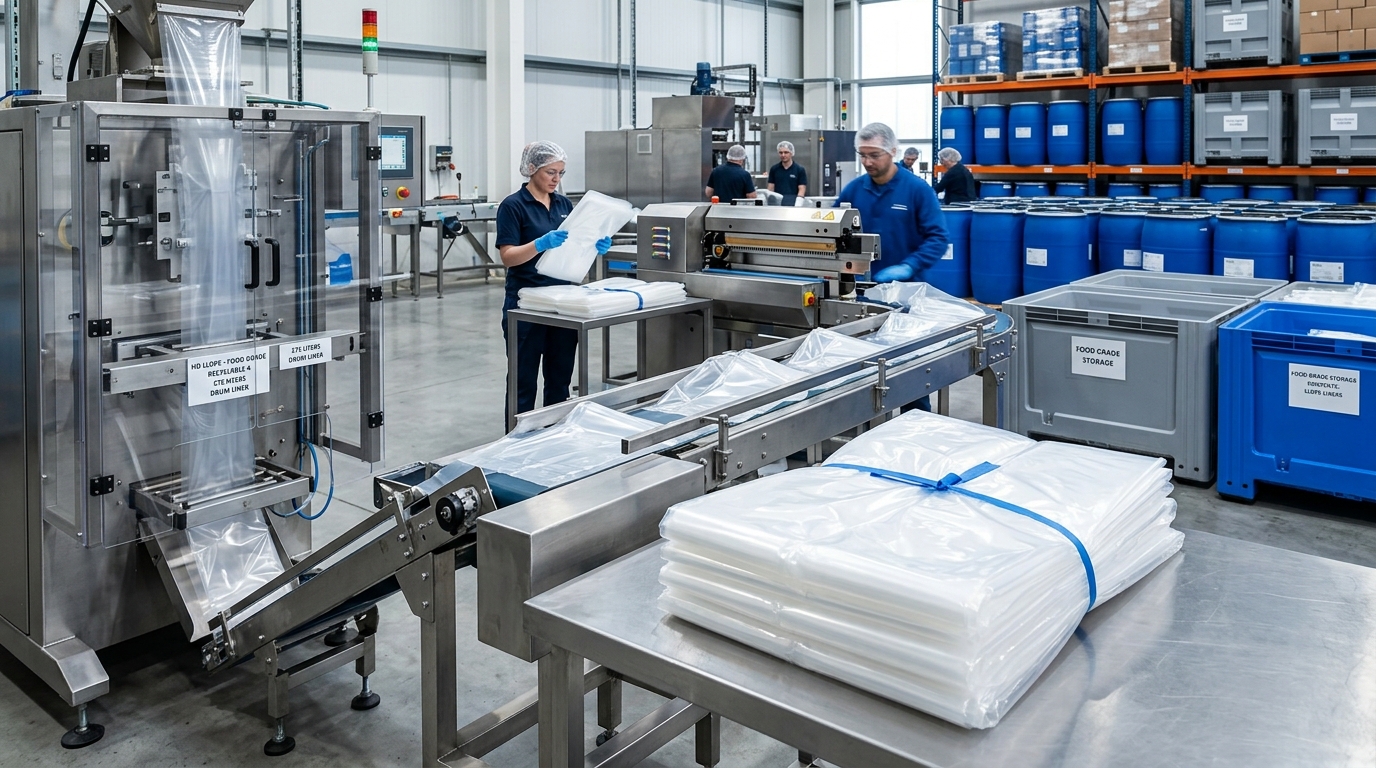
In modern industrial and commercial operations, flexible intermediate liners represent the frontline barrier between high-value raw materials and the harsh outside environment. Whether lining 200-liter steel drums, corrugated cartons, wooden crates, or bulk Gaylord octabins, selecting the correct LLDPE (Linear Low-Density Polyethylene) liner bag directly determines product shelf life, leak prevention, and regulatory compliance.
Unfortunately, many procurement managers and plant engineers specify packaging based solely on price per kilogram without factoring in polymer virginity, tensile elongation, or dart impact resistance. This comprehensive guide walks you through the critical technical engineering parameters necessary to make the right choice.
1. Understanding the Polymer: Why LLDPE Outperforms Traditional LDPE & HDPE
LLDPE differs substantially from conventional Low-Density Polyethylene (LDPE) due to its linear polymer backbone with uniform short-chain branching. This molecular architecture gives LLDPE outstanding advantages in bulk packaging:
- Exceptional Tensile Strength & Elongation: Up to 550% elongation at break allows the liner to stretch under heavy shifting loads without splitting.
- Superior Puncture & Dart Impact Resistance: Drastically outperforms HDPE in resisting sharp edges, granular crystals, and mechanical handling stresses.
- Hermetic Heat Seal Integrity: Wider sealing temperature windows ensure that bottom and gusset seals remain leak-proof even under continuous hydrostatic head pressure.
2. Food Grade vs. Industrial Chemical Liners: The Critical Differences
One of the most dangerous procurement oversights is using standard recycled or commercial-grade polymer liners for edible products or reactive chemicals. Here is how they differ:
| Specification Parameter | Food Grade Liner Bags | Heavy-Duty Industrial Liners |
|---|---|---|
| Polymer Raw Material | 100% Prime Virgin Food-Contact LLDPE | Virgin or High-Grade Industrial Polymer |
| Regulatory Standards | US FDA 21 CFR 177.1520 & IS 10146 | ASTM D882, ASTM D1709 Dart Impact |
| Cleanroom Extrusion | Class 100k Dust-Controlled Zone | Heavy-Duty Industrial Extrusion |
| Recommended Thickness | 30 to 80 Microns (120 to 320 Gauge) | 75 to 200 Microns (300 to 800 Gauge) |
| Common Applications | Spices, Flour, Tea, Sugar, Edible Powders, Nuts | Chemical Resins, Masterbatches, Pigments, Glazes |
| Leakage Proofing | 100% Air-Tight Moisture & Aroma Barrier | Double-Welded Bottom Seal for Hydrostatic Load |
3. Micron Selection Guide for Various Packaging Containers
Choosing the correct thickness is a delicate balance between total container safety and procurement expenditure. Here are our engineering recommendations based on extensive testing at Agola Polymer:
- Light Carton Lining (30μ to 50μ): Suitable for garments, textile fabrics, lightweight electronic parts, and dust-proofing outer packaging.
- Standard Food Ingredient Bags (50μ to 75μ): Ideal for 25 kg bags of flour, spices, pulses, starch, and powdered dairy products requiring aroma retention and moisture barrier.
- Standard Industrial Drum Liners (75μ to 100μ): Perfect for 50 kg to 100 kg fiber drums and mild chemical powders, preventing powder migration into drum crevices.
- Heavy-Duty Chemical & Liquid Liners (125μ to 200μ+): Essential for 200-liter steel drums holding adhesives, lubricants, dyes, ceramic glazes, and aggressive wet compounds.
Need Exact Micron & Dimension Sizing for Your Facility?
Send our senior packaging engineers your container dimensions and product density. We will calculate the optimum liner size and provide factory pricing within 1 hour.
4. Sizing Calculation Formula: How to Avoid Bag Tearing & Waste
Proper measurement prevents bag rupture at carton edges and eliminates polymer waste from oversized liners:
- Carton/Box Width: Measure the internal box width + box depth + 50 mm (2 inches) allowance for gusset expansion.
- Liner Length: Measure the box height + (depth / 2) + 150 mm (6 inches) for top tie-off or heat sealing fold.
- Round Drum Lining: Drum Liner Width = (3.1416 × Drum Diameter) / 2 + 50 mm clearance.
5. Why Leading Indian Brands Source Directly from Agola Polymer Morbi
Based in the manufacturing powerhouse of Morbi, Gujarat, Agola Polymer operates automated 3-layer co-extrusion blown film lines with dedicated quality assurance testing for dart impact, tensile yield, and seam burst strength.
- 100% Prime Virgin Material Guarantee: No adulteration or unverified regrinds.
- Zero Middleman Margins: Direct factory pricing provides 15% to 25% cost efficiency compared to trading distributors.
- Rapid Pan-India Logistics: Located adjacent to major highway freight corridors and Mundra/Kandla ports for fast pan-India delivery and global container exports.
Frequently Asked Questions
For standard dry chemicals and non-corrosive powders, 75 to 100 microns is ideal. For viscous, corrosive, or heavy industrial chemicals in 200L drums, heavy-gauge 125 to 200 micron liners with reinforced double seals are strongly recommended to prevent rupture.
Yes. Our Food Grade Liner Bags are manufactured from 100% prime virgin resins complying with US FDA 21 CFR 177.1520 and Indian Standard IS 10146, ensuring zero chemical leaching, zero odor taint, and complete sanitary compliance.
Yes. We manufacture both individually cut and folded bags as well as continuous perforated tear-off liner rolls (LD Liner Rolls) on heavy-duty cores for fast, automated dispensing on packing lines.